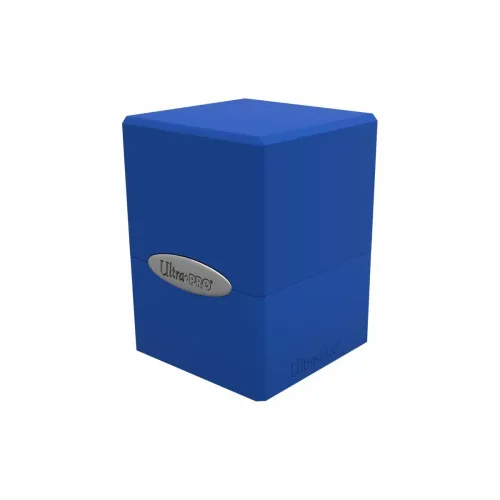
 Ultra PRO’s Satin Cube is compact, secure, and durable! An update to the fan favorite Satin Tower, the injection molded plastic shell is designed to store and protect 100+ standard size trading cards in Ultra PRO Deck Protector® sleeves. The unique snap-fit locking mechanism keeps your valuable cards and components securely stored. Satin Cubes feature a Classic Satin finish and are designed for mixing and matching tops with any other Satin Cube or Satin Tower!
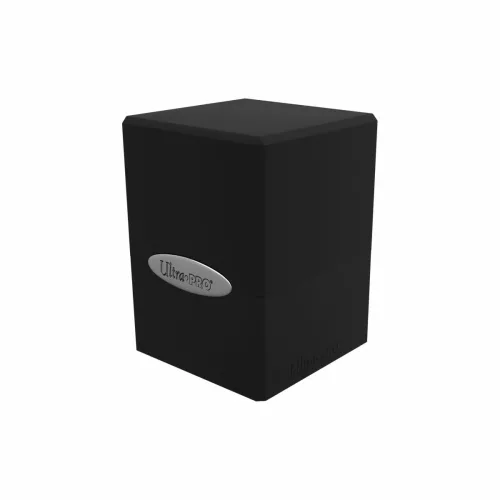 Ultra PRO’s Satin Cube is compact, secure, and durable! An update to the fan favorite Satin Tower, the injection molded plastic shell is designed to store and protect 100+ standard size trading cards in Ultra PRO Deck Protector® sleeves. The unique snap-fit locking mechanism keeps your valuable cards and components securely stored. Satin Cubes feature a Classic Satin finish and are designed for mixing and matching tops with any other Satin Cube or Satin Tower!
- Out of Stock
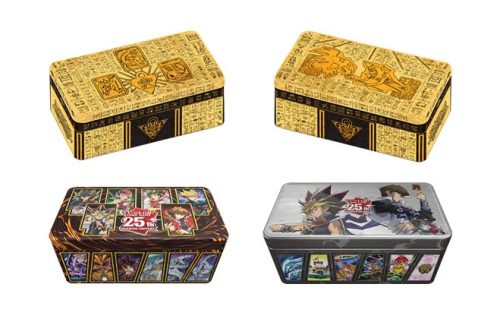
Yu-Gi-Oh! Tins Bundle – Limited-Time Warehouse Clearance Deal!
For one day only, take advantage of this massive bundle deal on Yu-Gi-Oh! collectible tins! Due to limited storage space in our warehouse, we're offering an exclusive discount on this premium selection of Yu-Gi-Oh! tins.
This bundle includes 3 display cases (12 tins per case) of each of the following highly sought-after tins:
Yu-Gi-Oh! Tin of Ancient Battles 2021 (01KOMP21) Yu-Gi-Oh! Tin of the Pharaoh's Gods 2022 (01KOMP22) Yu-Gi-Oh! 25th Anniversary Tin: Dueling Heroes (01KOMP23) Yu-Gi-Oh! Tins: Dueling Mirrors (01KOMP24)That's a total of 144 tins at an unbeatable price! Whether you're a collector, reseller, or just looking to boost your deck with powerful reprints and exclusive cards, this bundle is a must-have.
Hurry – this deal is only available for ONE DAY! Once it's gone, it's gone! Don't miss your chance to grab this incredible bundle at a great discount.
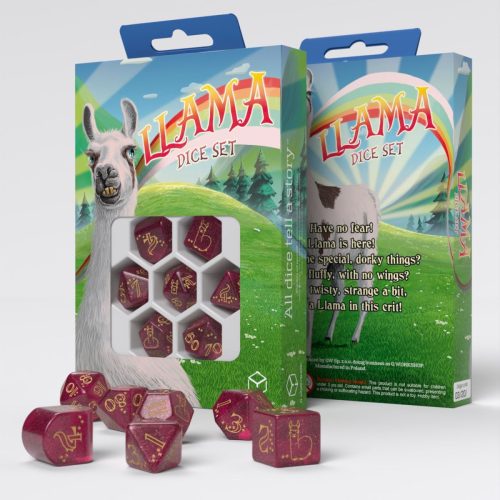 This Dice Set includes 7 items: D6, D8, D10, D12, D20, D100, and a modern D4, for everyone to enjoy. The background of the dice is shimmering-raspberry (infused with glitter dust), and the paintings are gold. Truly sweet! The font of the digits is ornamental and swirly, accompanied by hooves’ prints along the surface. The highest face of each dice shows a llama walking, jumping, sitting, or playing, as this Dice Set is like the tastiest candy ever.
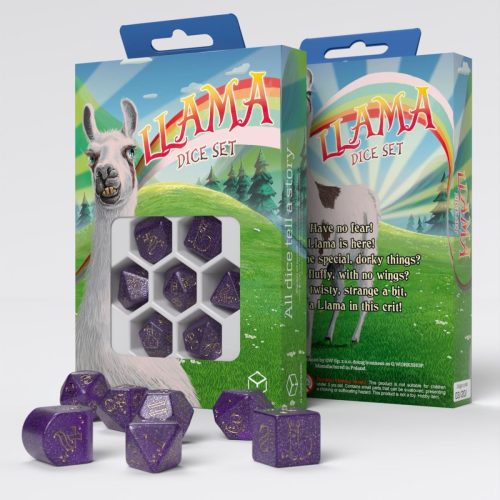 Llama Dice Set: Zippy unites us all! Behold the reason for both hardcore and casual gamers to meet at the table, and admire the same design. The shimmering-purple material brings about the fluffiness in us, while the golden digits fuel our hunger for adventure. A special artistic font is accompanied by hoof prints, and llamas take their time to enjoy life on the highest faces. Meet them at the table! This Dice Set includes 7 items: D6, D8, D10, D12, D20, D100, and a modern D4, for everyone to enjoy. The background of the dice is shimmering-purple (infused with glitter dust), and the paintings are gold. Truly universal! The font of the digits is ornamental and swirly, accompanied by hooves’ prints along the surface. The highest face of each dice shows a llama walking, jumping, sitting, or playing, as this Dice Set is only a tiny bit serious.
 38mm metal coin with colored enamel highlights, featuring symbology and coloring from Frosthaven.
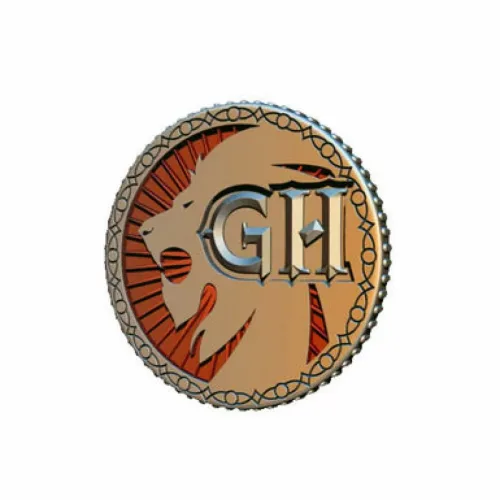 38mm metal coin with colored enamel highlights, featuring symbology and coloring from Gloomhaven.
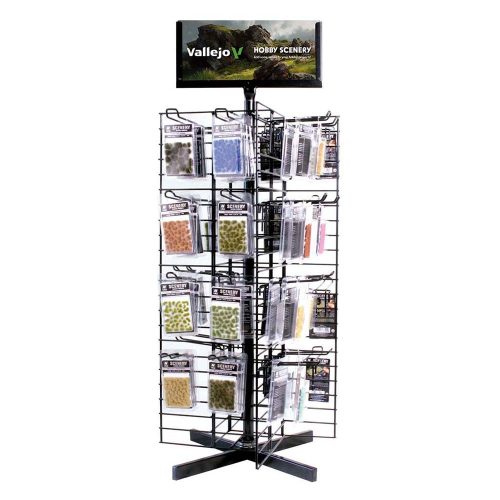 Vallejo - Display: Scenery (no stock, stand only)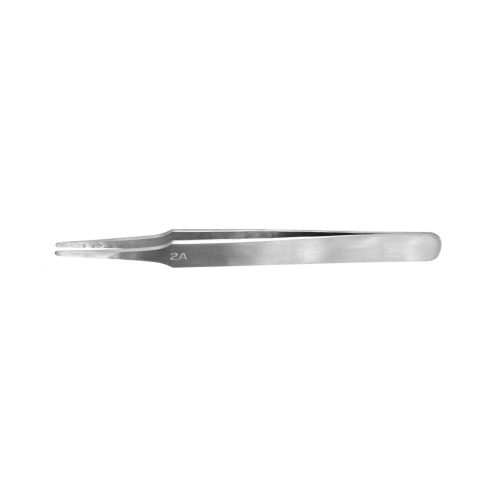
Vallejo expands the range of Hobby Tools to include a wide selection of highest quality precision tools, designed to cover all the needs of modellers and hobby fans. The tools are useful for easy assembly or for the most complicated set up, and are indispensable in all quality modelling projects.
These flat rounded tweezers, have inbuilt strength for accurate and controlled picking, holding and placing of small parts and components. They are solvent resistant and anti-magnetic.
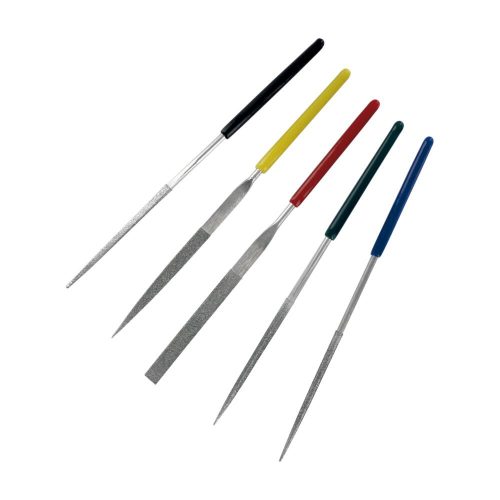
5x100mm mini diamond file profiles for working on various shapes and contours. The mini diamond file set includes 5 profiles, flat, square, round, half round and triangle. These 100mm tools are excellent for the smaller more intricate modeling and filing tasks in plastics and metals. Diamond files stay cooler and do not clog.
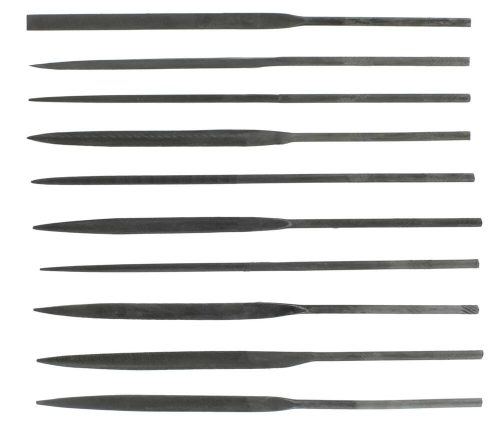
10 different medium cut files. The medium cut files come in a handy wallet for easy storage. Excellent for general modeling use.
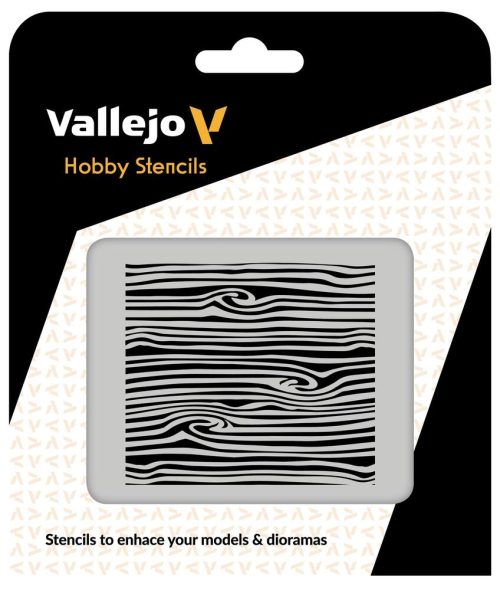 Vallejo - Vallejo Stencils - Wood Texture nº 2
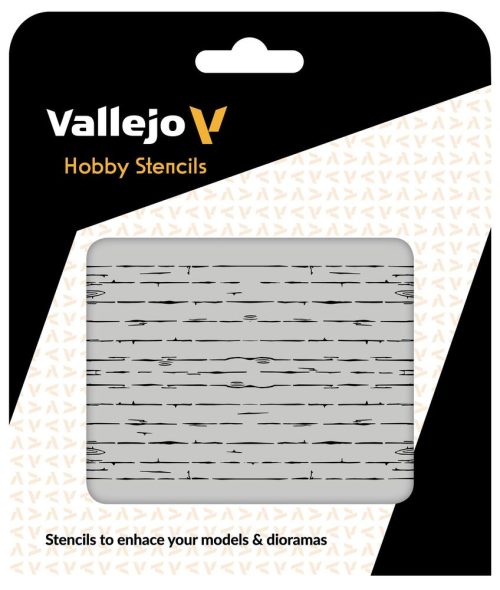 Vallejo - Vallejo Stencils - Wood Texture nº 1
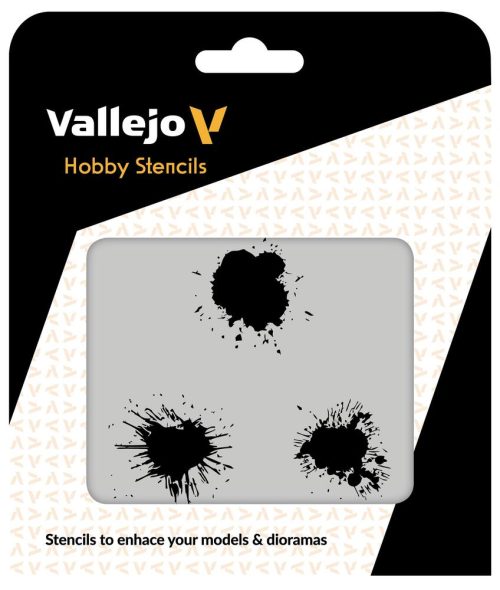 Vallejo - Vallejo Stencils - Paint Stains
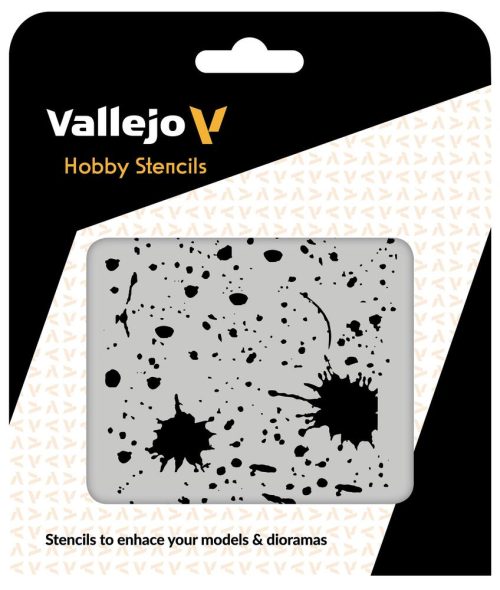 Vallejo - Vallejo Stencils - Splash & Stains
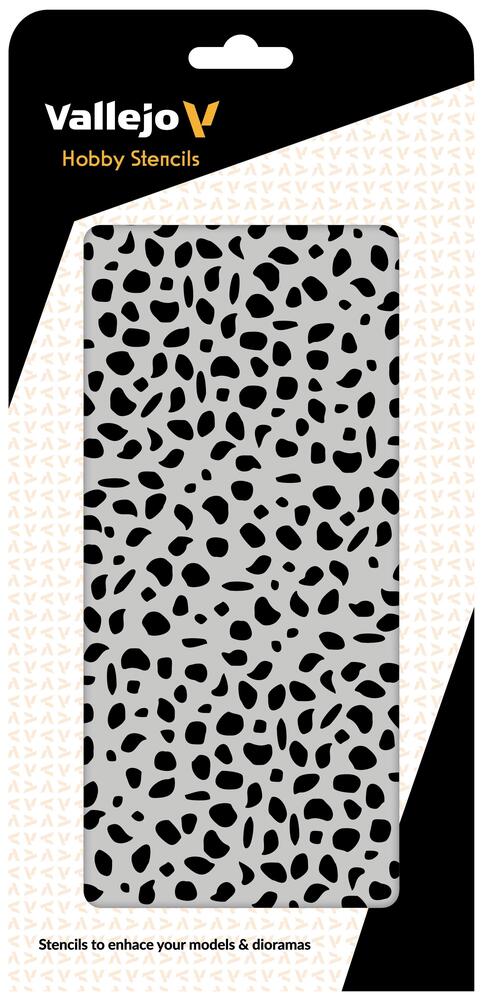 Vallejo - Vallejo Stencils - Luftwaffe WWII Spots Camo
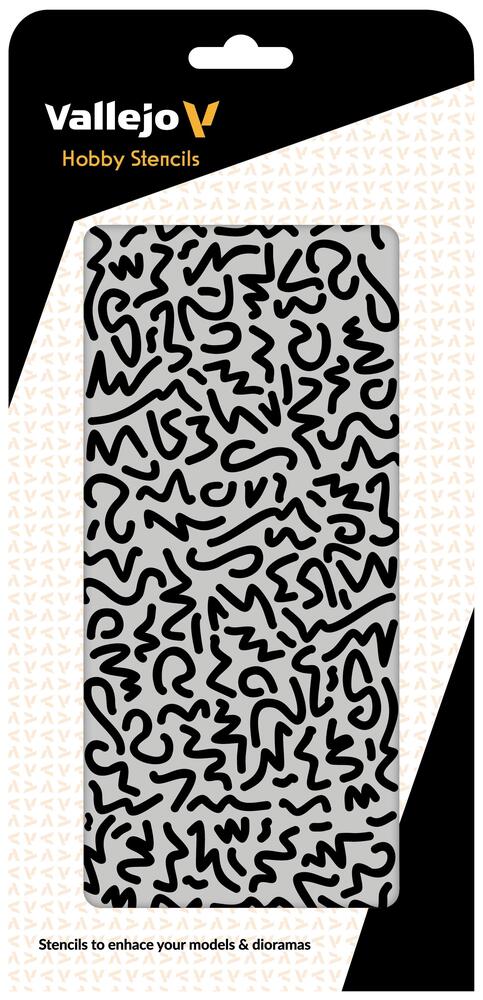 Vallejo - Vallejo Stencils - Luftwaffe WWII Shingles Camo
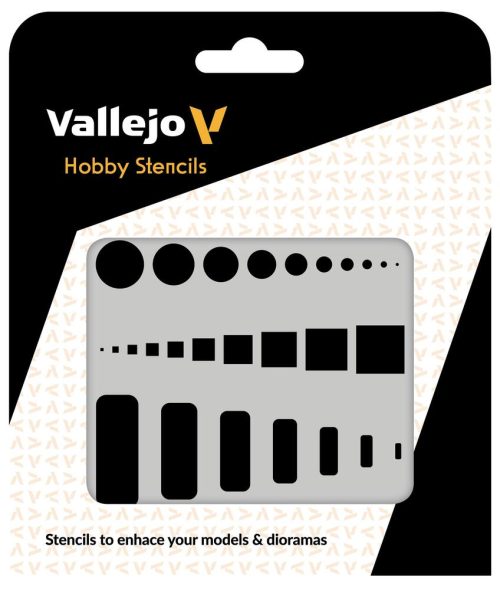 Vallejo - Vallejo Stencils - Access Trap Doors