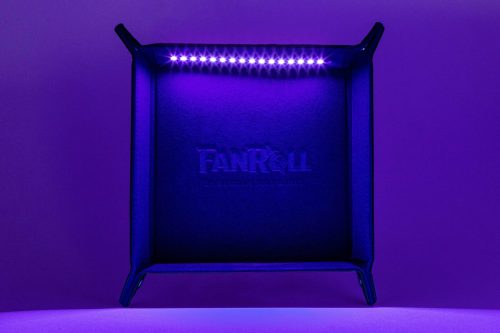
 Introducing the newest technology to hit the tabletop, Shadowlight Dice Trays. These dice trays have black lights incorporated into the side of the tray to illuminate your tray. Each tray comes with a specialized D20 made to interact with blacklight and bring an incredible glow to your table.
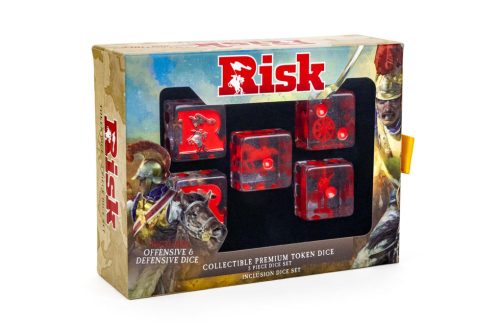 The Official Risk inclusion dice set features oversized d6's infused with the classic Risk game pieces and includes both offense and defense dice. At 22mm, these oversized dice are a unique addition to any collection!
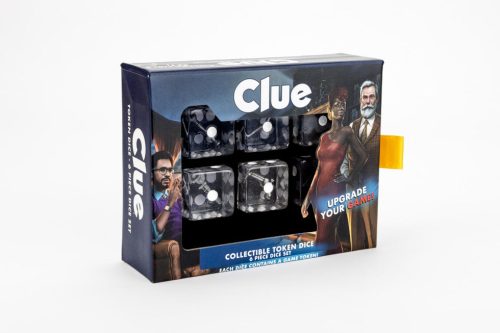 The Official Clue inclusion dice set features oversized d6's infused with the Clue weapons. At 22mm, these oversized dice are a unique addition to any collection!
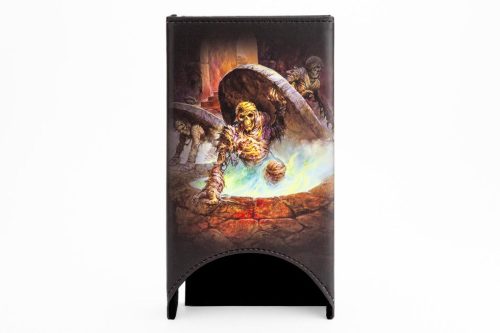 FanRoll has partnered with Dungeons and Dragons on a line of accessories that highlights some of the greatest artists and artwork from D&D history. The first collection in this series features three of the top artists from the 1970's and 80's. Get these limited edition collectibles while you can because different artists and artwork will be featured in collection 2!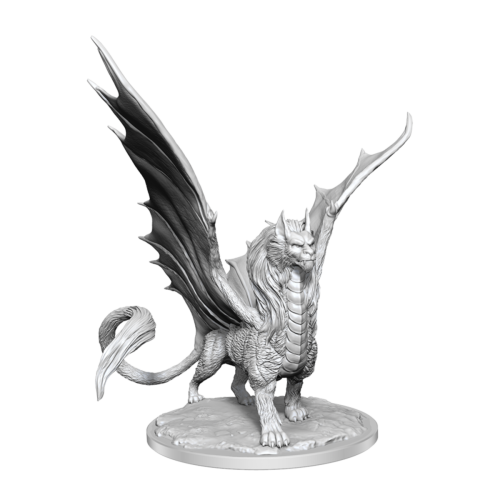
Dungeons & Dragons Nolzur’s Marvelous Miniatures come with highly detailed figures, primed and ready to paint out of the box. These fantastic miniatures include deep cuts for easier painting. The packaging displays these miniatures in a clear and visible format, so customers know exactly what they are getting.
This is a 1-count monster pack.
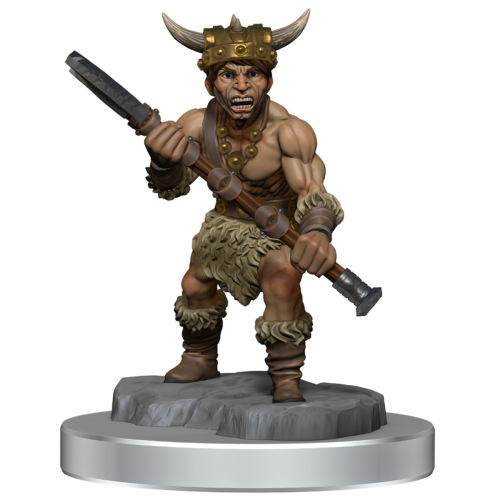
Dungeons & Dragons Nolzur’s Marvelous Miniatures come with highly detailed figures, primed and ready to paint out of the box. These fantastic miniatures include deep cuts for easier painting. The packaging displays these miniatures in a clear and visible format, so customers know exactly what they are getting.
This is a 2-count character pack.
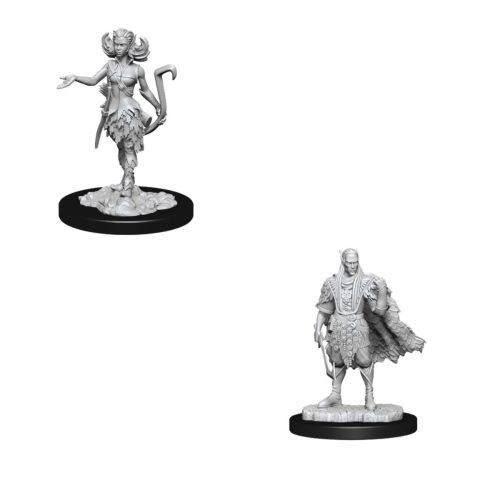
Dungeons & Dragons Nolzur’s Marvelous Miniatures come with highly detailed figures, primed and ready to paint out of the box. These fantastic miniatures include deep cuts for easier painting. The packaging displays these miniatures in a clear and visible format, so customers know exactly what they are getting.
This is a 2-count monster pack.
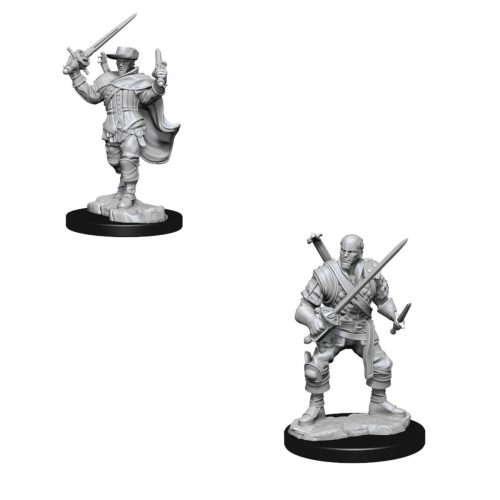
Dungeons & Dragons Nolzur’s Marvelous Miniatures come with highly detailed figures, primed and ready to paint out of the box. These fantastic miniatures include deep cuts for easier painting. The packaging displays these miniatures in a clear and visible format, so customers know exactly what they are getting.
This is a 2-count character pack which includes a high-level and low-level miniature of the same character.
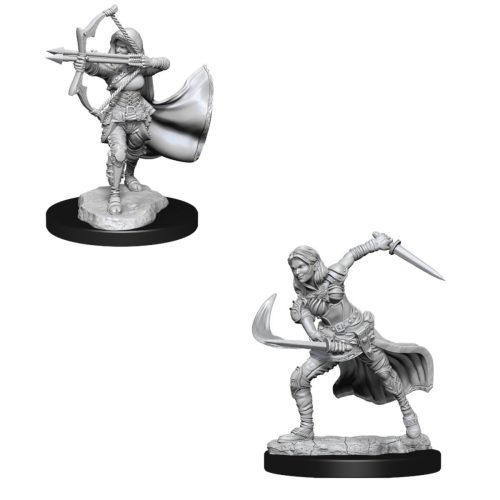
Dungeons & Dragons Nolzur’s Marvelous Miniatures come with highly detailed figures, primed and ready to paint out of the box. These fantastic miniatures include deep cuts for easier painting. The packaging displays these miniatures in a clear and visible format, so customers know exactly what they are getting.
This is a 2-count character pack which includes a high-level and low-level miniature of the same character.
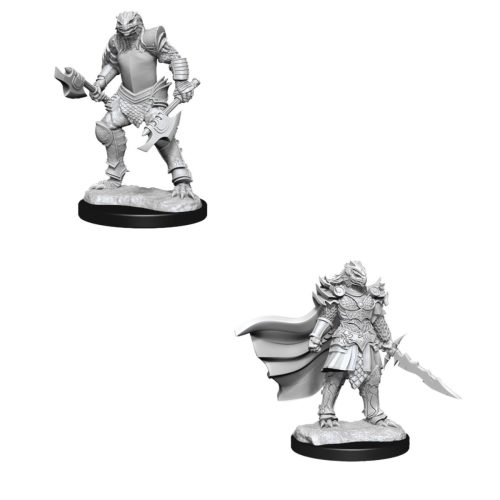
Dungeons & Dragons Nolzur’s Marvelous Miniatures come with highly detailed figures, primed and ready to paint out of the box. These fantastic miniatures include deep cuts for easier painting. The packaging displays these miniatures in a clear and visible format, so customers know exactly what they are getting.
This is a 2-count character pack which includes a high-level and low-level miniature of the same character.
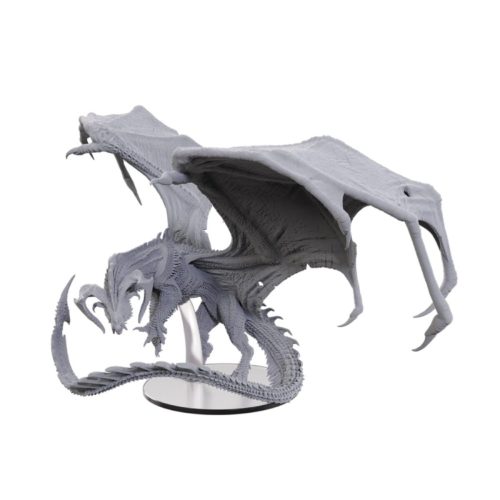 The Adult Black Dragon is among the most terrifying and hateful of the evil chromatic dragons. Wielding corrosive acid breath, Adult Black Dragons are drawn to secluded swamps and forgotten ruins when making their lairs. Sculpted in its newest form, the huge-sized D&D Nolzur's Marvelous Miniatures: Adult Black Dragon Corruptor unpainted, pre-primed miniature sits on a 75mm base, making it perfect for your next encounter. With a 10-inch wingspan, this loathsome dragon will invoke fear in players and awe in admirers.
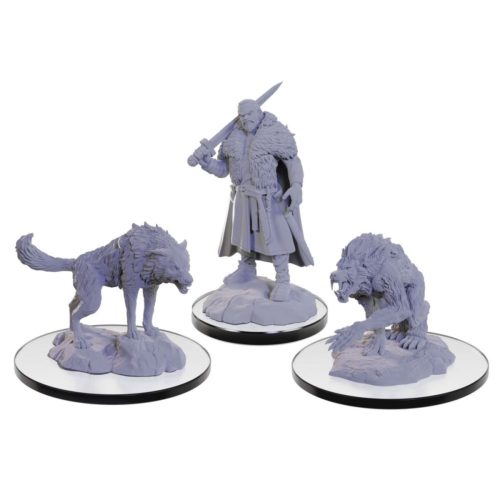 Dungeons & Dragons Nolzur’s Marvelous Miniatures come with highly-detailed figures, primed and ready to paint out of the box. These fantastic miniatures include deep cuts for easier painting. The packaging displays these miniatures in a clear and visible format, so customers know exactly what they are getting. Key Features: • Features characters, monsters, and scenery from the Dungeons & Dragons universe • Little to no assembly required • Primed and ready to paint
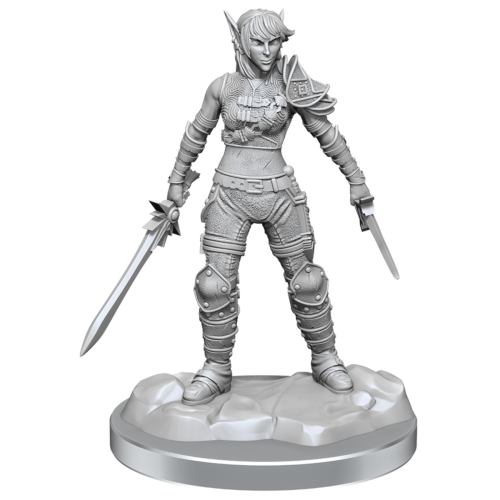 Dungeons & Dragons Nolzur’s Marvelous Miniatures come with highly-detailed figures, primed and ready to paint out of the box. These fantastic miniatures include deep cuts for easier painting. The packaging displays these miniatures in a clear and visible format, so customers know exactly what they are getting. Key Features: • Features characters, monsters, and scenery from the Dungeons & Dragons universe • Little to no assembly required • Primed and ready to paint
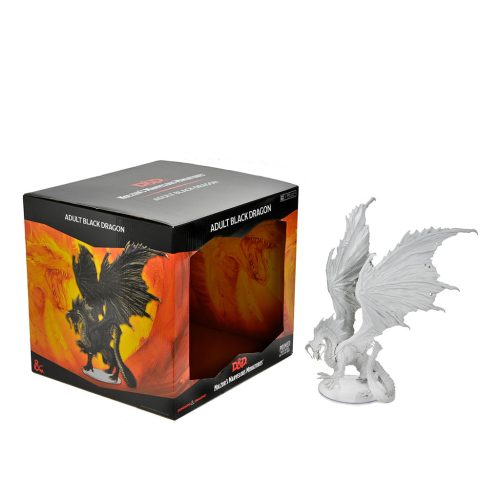 These highly detailed plastic miniatures are pre-primed with Acrylicos Vallejo primer. • Little to no assembly required • Primed and ready to paint Contents: • 1 Miniature • ‣ Adult Black Dragon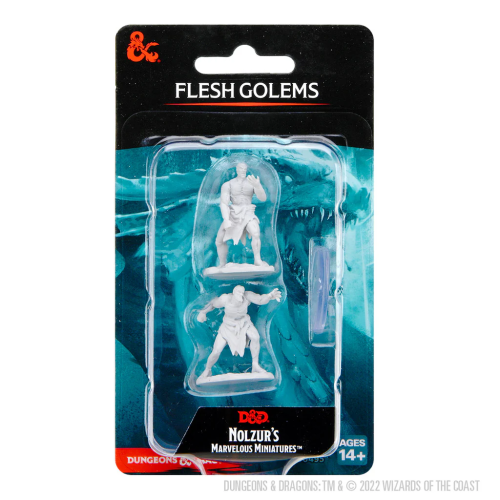
Dungeons & Dragons Nolzur’s Marvelous Miniatures come with highly detailed figures, primed and ready to paint out of the box. These fantastic miniatures include deep cuts for easier painting. The packaging displays these miniatures in a clear and visible format, so customers know exactly what they are getting.
This is a 2-count monster pack.
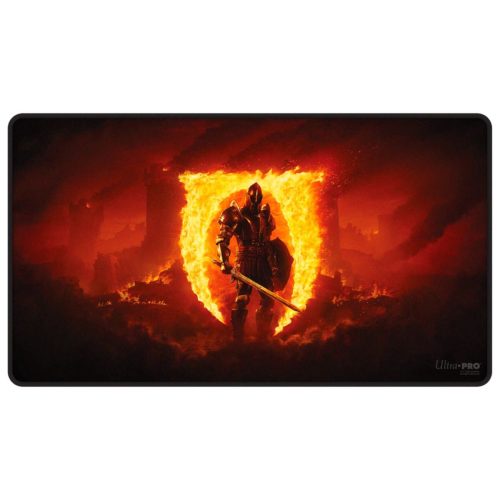 Playmat features The Elder Scrolls IV: Oblivion Remastered key artwork and black stitched edges for an added premium feel. Made with a soft fabric top to reduce damage to cards during play and a non-slip rubber backing to keep the playmat from shifting during use, playmats enhance the gameplay experience. A playmat also makes an excellent oversize mousepad for home or office. •Officially licensed The Elder Scrolls IV: Oblivion Remastered Playmat •Features The Elder Scrolls: Oblivion Remastered key artwork •Approximately 24 in. x 13.5 in. and lies flat •Black stitched edges offer an added premium feel •Soft fabric top with non-slip rubber backing keeps the playmat from shifting during use
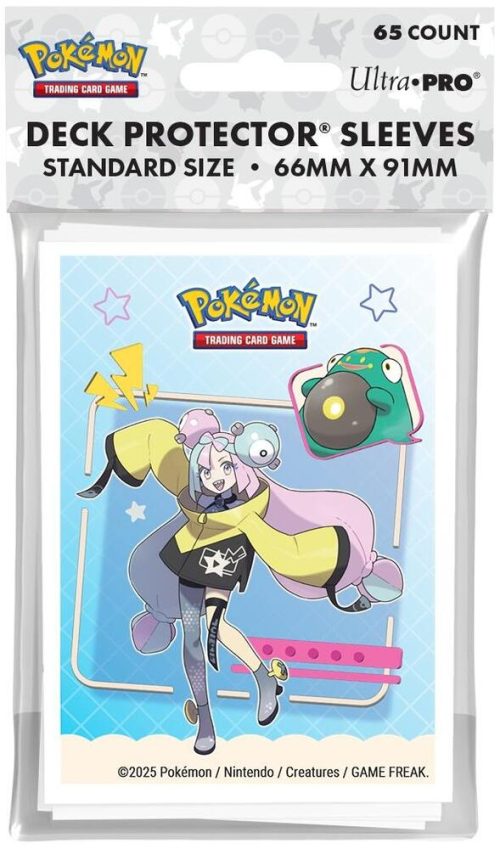 Deck Protector sleeves for Pokémon feature vibrant, full-color artwork and are made with our proprietary ChromaFusion Technology to prevent peeling. Archival-safe polypropylene materials ensure you can sleeve your cards with confidence. Sized for standard-size trading cards. • Officially licensed Pokémon card sleeves featuring Iono and Bellibolt • 65 standard size Deck Protector sleeves in each pack • Made with archival-safe, non-PVC polypropylene materials • ChromaFusion Technology prevents peeling • Protect your cards during gameplay or storage
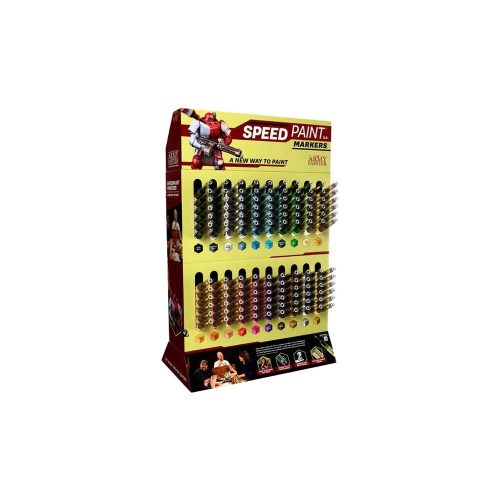 With Speedpaint Markers, you hold an entire hobby in your hands. Each marker features the all-in-one Speedpaint 2.0 paint you know and love and a Felt-Tech tip—perfect for fast shading, clean coverage, and effortless control. Display this all-new hobby tool with style! The Speedpaint Marker Dispenser is an eye-catching tabletop display, providing a nice overview of all colors and how to use them.