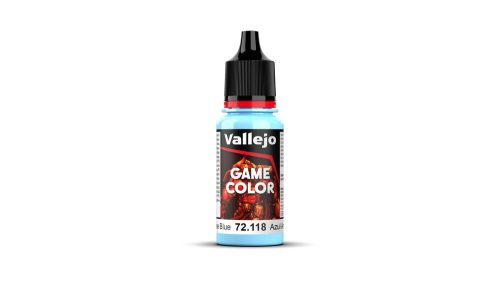
 Game Color is a range of vivid colors especially developed for painting all kinds of fantasy figures and models. The colors can be applied and mixed with one another easily, and dry to a mat and self-levelling finish without leaving traces of brushstrokes. The pigments employed have been selected for their brilliance, maximum stability and light fastness. The formulation of these colors, using the most recently developed acrylic resins, guarantees perfect adherence and permanence on all kinds of surfaces – plastic, resin, metal, etc. Errors can be corrected immediately with water or alcohol; once dry, the colors are waterproof and permanent.
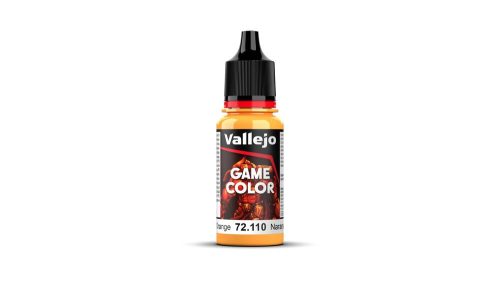 Game Color is a range of vivid colors especially developed for painting all kinds of fantasy figures and models. The colors can be applied and mixed with one another easily, and dry to a mat and self-levelling finish without leaving traces of brushstrokes. The pigments employed have been selected for their brilliance, maximum stability and light fastness. The formulation of these colors, using the most recently developed acrylic resins, guarantees perfect adherence and permanence on all kinds of surfaces – plastic, resin, metal, etc. Errors can be corrected immediately with water or alcohol; once dry, the colors are waterproof and permanent.
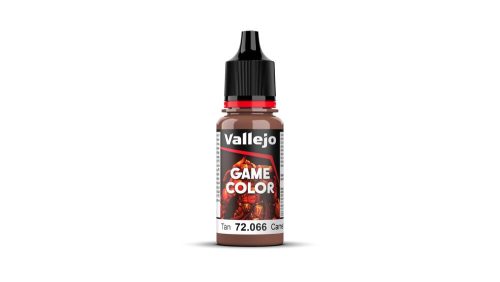 Game Color is a range of vivid colors especially developed for painting all kinds of fantasy figures and models. The colors can be applied and mixed with one another easily, and dry to a mat and self-levelling finish without leaving traces of brushstrokes. The pigments employed have been selected for their brilliance, maximum stability and light fastness. The formulation of these colors, using the most recently developed acrylic resins, guarantees perfect adherence and permanence on all kinds of surfaces – plastic, resin, metal, etc. Errors can be corrected immediately with water or alcohol; once dry, the colors are waterproof and permanent.
 Game Color is a range of vivid colors especially developed for painting all kinds of fantasy figures and models. The colors can be applied and mixed with one another easily, and dry to a mat and self-levelling finish without leaving traces of brushstrokes. The pigments employed have been selected for their brilliance, maximum stability and light fastness. The formulation of these colors, using the most recently developed acrylic resins, guarantees perfect adherence and permanence on all kinds of surfaces – plastic, resin, metal, etc. Errors can be corrected immediately with water or alcohol; once dry, the colors are waterproof and permanent.
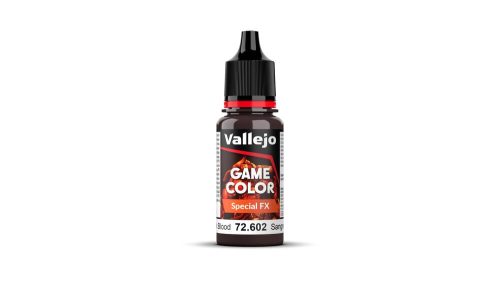 Game Color is a range of vivid colors especially developed for painting all kinds of fantasy figures and models. The colors can be applied and mixed with one another easily, and dry to a mat and self-levelling finish without leaving traces of brushstrokes. The pigments employed have been selected for their brilliance, maximum stability and light fastness. The formulation of these colors, using the most recently developed acrylic resins, guarantees perfect adherence and permanence on all kinds of surfaces – plastic, resin, metal, etc. Errors can be corrected immediately with water or alcohol; once dry, the colors are waterproof and permanent.
 Game Color is a range of vivid colors especially developed for painting all kinds of fantasy figures and models. The colors can be applied and mixed with one another easily, and dry to a mat and self-levelling finish without leaving traces of brushstrokes. The pigments employed have been selected for their brilliance, maximum stability and light fastness. The formulation of these colors, using the most recently developed acrylic resins, guarantees perfect adherence and permanence on all kinds of surfaces – plastic, resin, metal, etc. Errors can be corrected immediately with water or alcohol; once dry, the colors are waterproof and permanent.
 Game Color is a range of vivid colors especially developed for painting all kinds of fantasy figures and models. The colors can be applied and mixed with one another easily, and dry to a mat and self-levelling finish without leaving traces of brushstrokes. The pigments employed have been selected for their brilliance, maximum stability and light fastness. The formulation of these colors, using the most recently developed acrylic resins, guarantees perfect adherence and permanence on all kinds of surfaces – plastic, resin, metal, etc. Errors can be corrected immediately with water or alcohol; once dry, the colors are waterproof and permanent.
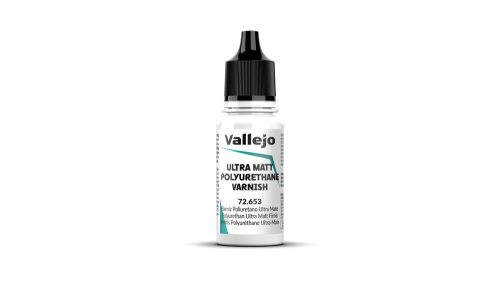 Game Color is a range of vivid colors especially developed for painting all kinds of fantasy figures and models. The colors can be applied and mixed with one another easily, and dry to a mat and self-levelling finish without leaving traces of brushstrokes. The pigments employed have been selected for their brilliance, maximum stability and light fastness. The formulation of these colors, using the most recently developed acrylic resins, guarantees perfect adherence and permanence on all kinds of surfaces – plastic, resin, metal, etc. Errors can be corrected immediately with water or alcohol; once dry, the colors are waterproof and permanent.
 Game Color is a range of vivid colors especially developed for painting all kinds of fantasy figures and models. The colors can be applied and mixed with one another easily, and dry to a mat and self-levelling finish without leaving traces of brushstrokes. The pigments employed have been selected for their brilliance, maximum stability and light fastness. The formulation of these colors, using the most recently developed acrylic resins, guarantees perfect adherence and permanence on all kinds of surfaces – plastic, resin, metal, etc. Errors can be corrected immediately with water or alcohol; once dry, the colors are waterproof and permanent.
 Game Color is a range of vivid colors especially developed for painting all kinds of fantasy figures and models. The colors can be applied and mixed with one another easily, and dry to a mat and self-levelling finish without leaving traces of brushstrokes. The pigments employed have been selected for their brilliance, maximum stability and light fastness. The formulation of these colors, using the most recently developed acrylic resins, guarantees perfect adherence and permanence on all kinds of surfaces – plastic, resin, metal, etc. Errors can be corrected immediately with water or alcohol; once dry, the colors are waterproof and permanent.
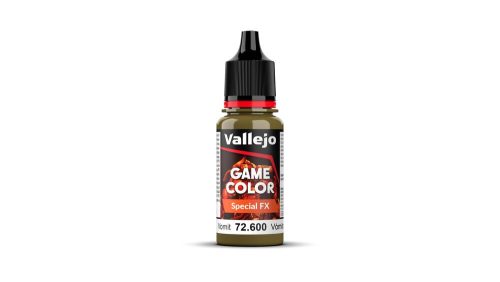 Game Color is a range of vivid colors especially developed for painting all kinds of fantasy figures and models. The colors can be applied and mixed with one another easily, and dry to a mat and self-levelling finish without leaving traces of brushstrokes. The pigments employed have been selected for their brilliance, maximum stability and light fastness. The formulation of these colors, using the most recently developed acrylic resins, guarantees perfect adherence and permanence on all kinds of surfaces – plastic, resin, metal, etc. Errors can be corrected immediately with water or alcohol; once dry, the colors are waterproof and permanent.
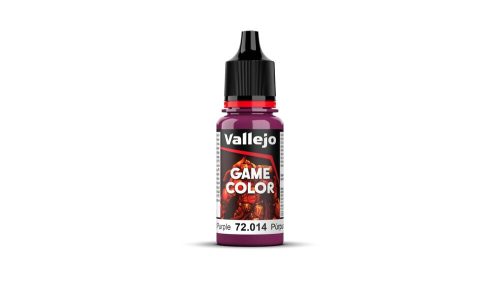 Game Color is a range of vivid colors especially developed for painting all kinds of fantasy figures and models. The colors can be applied and mixed with one another easily, and dry to a mat and self-levelling finish without leaving traces of brushstrokes. The pigments employed have been selected for their brilliance, maximum stability and light fastness. The formulation of these colors, using the most recently developed acrylic resins, guarantees perfect adherence and permanence on all kinds of surfaces – plastic, resin, metal, etc. Errors can be corrected immediately with water or alcohol; once dry, the colors are waterproof and permanent.
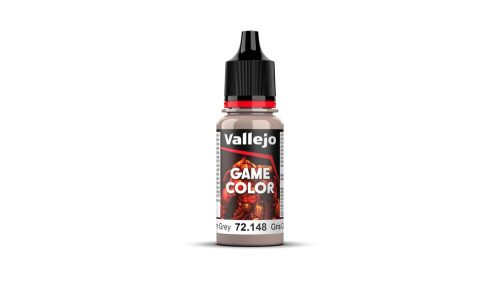 Game Color is a range of vivid colors especially developed for painting all kinds of fantasy figures and models. The colors can be applied and mixed with one another easily, and dry to a mat and self-levelling finish without leaving traces of brushstrokes. The pigments employed have been selected for their brilliance, maximum stability and light fastness. The formulation of these colors, using the most recently developed acrylic resins, guarantees perfect adherence and permanence on all kinds of surfaces – plastic, resin, metal, etc. Errors can be corrected immediately with water or alcohol; once dry, the colors are waterproof and permanent.
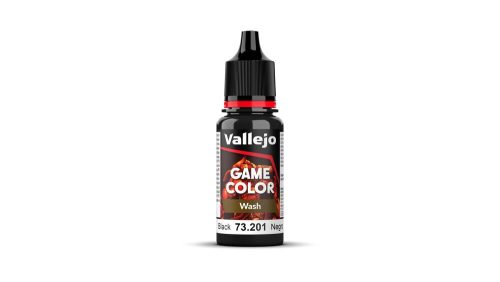 Game Color is a range of vivid colors especially developed for painting all kinds of fantasy figures and models. The colors can be applied and mixed with one another easily, and dry to a mat and self-levelling finish without leaving traces of brushstrokes. The pigments employed have been selected for their brilliance, maximum stability and light fastness. The formulation of these colors, using the most recently developed acrylic resins, guarantees perfect adherence and permanence on all kinds of surfaces – plastic, resin, metal, etc. Errors can be corrected immediately with water or alcohol; once dry, the colors are waterproof and permanent.
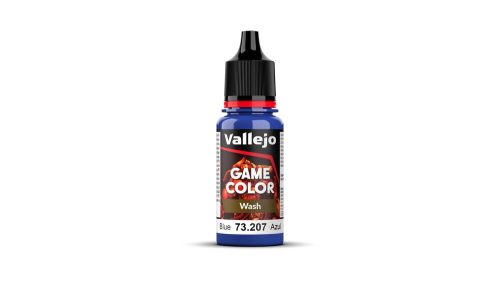 Game Color is a range of vivid colors especially developed for painting all kinds of fantasy figures and models. The colors can be applied and mixed with one another easily, and dry to a mat and self-levelling finish without leaving traces of brushstrokes. The pigments employed have been selected for their brilliance, maximum stability and light fastness. The formulation of these colors, using the most recently developed acrylic resins, guarantees perfect adherence and permanence on all kinds of surfaces – plastic, resin, metal, etc. Errors can be corrected immediately with water or alcohol; once dry, the colors are waterproof and permanent.
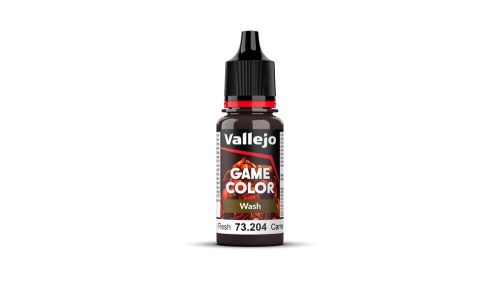 Game Color is a range of vivid colors especially developed for painting all kinds of fantasy figures and models. The colors can be applied and mixed with one another easily, and dry to a mat and self-levelling finish without leaving traces of brushstrokes. The pigments employed have been selected for their brilliance, maximum stability and light fastness. The formulation of these colors, using the most recently developed acrylic resins, guarantees perfect adherence and permanence on all kinds of surfaces – plastic, resin, metal, etc. Errors can be corrected immediately with water or alcohol; once dry, the colors are waterproof and permanent.
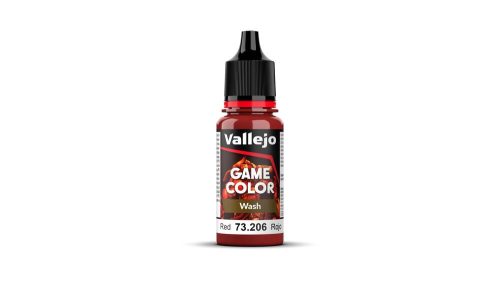 Game Color is a range of vivid colors especially developed for painting all kinds of fantasy figures and models. The colors can be applied and mixed with one another easily, and dry to a mat and self-levelling finish without leaving traces of brushstrokes. The pigments employed have been selected for their brilliance, maximum stability and light fastness. The formulation of these colors, using the most recently developed acrylic resins, guarantees perfect adherence and permanence on all kinds of surfaces – plastic, resin, metal, etc. Errors can be corrected immediately with water or alcohol; once dry, the colors are waterproof and permanent.
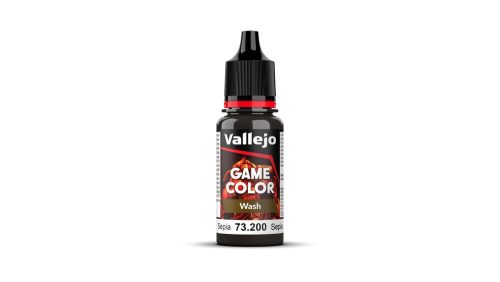 Game Color is a range of vivid colors especially developed for painting all kinds of fantasy figures and models. The colors can be applied and mixed with one another easily, and dry to a mat and self-levelling finish without leaving traces of brushstrokes. The pigments employed have been selected for their brilliance, maximum stability and light fastness. The formulation of these colors, using the most recently developed acrylic resins, guarantees perfect adherence and permanence on all kinds of surfaces – plastic, resin, metal, etc. Errors can be corrected immediately with water or alcohol; once dry, the colors are waterproof and permanent.
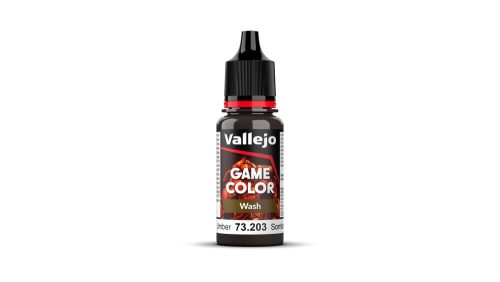 Game Color is a range of vivid colors especially developed for painting all kinds of fantasy figures and models. The colors can be applied and mixed with one another easily, and dry to a mat and self-levelling finish without leaving traces of brushstrokes. The pigments employed have been selected for their brilliance, maximum stability and light fastness. The formulation of these colors, using the most recently developed acrylic resins, guarantees perfect adherence and permanence on all kinds of surfaces – plastic, resin, metal, etc. Errors can be corrected immediately with water or alcohol; once dry, the colors are waterproof and permanent.
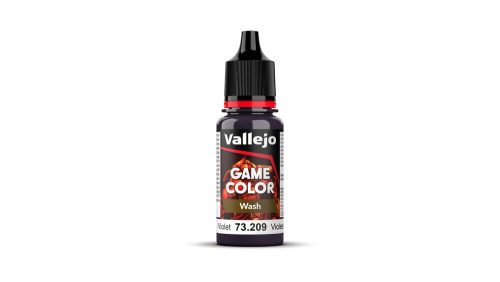 Game Color is a range of vivid colors especially developed for painting all kinds of fantasy figures and models. The colors can be applied and mixed with one another easily, and dry to a mat and self-levelling finish without leaving traces of brushstrokes. The pigments employed have been selected for their brilliance, maximum stability and light fastness. The formulation of these colors, using the most recently developed acrylic resins, guarantees perfect adherence and permanence on all kinds of surfaces – plastic, resin, metal, etc. Errors can be corrected immediately with water or alcohol; once dry, the colors are waterproof and permanent.
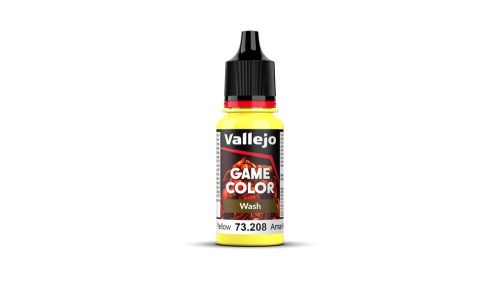 Game Color is a range of vivid colors especially developed for painting all kinds of fantasy figures and models. The colors can be applied and mixed with one another easily, and dry to a mat and self-levelling finish without leaving traces of brushstrokes. The pigments employed have been selected for their brilliance, maximum stability and light fastness. The formulation of these colors, using the most recently developed acrylic resins, guarantees perfect adherence and permanence on all kinds of surfaces – plastic, resin, metal, etc. Errors can be corrected immediately with water or alcohol; once dry, the colors are waterproof and permanent.
 Game Color is a range of vivid colors especially developed for painting all kinds of fantasy figures and models. The colors can be applied and mixed with one another easily, and dry to a mat and self-levelling finish without leaving traces of brushstrokes. The pigments employed have been selected for their brilliance, maximum stability and light fastness. The formulation of these colors, using the most recently developed acrylic resins, guarantees perfect adherence and permanence on all kinds of surfaces – plastic, resin, metal, etc. Errors can be corrected immediately with water or alcohol; once dry, the colors are waterproof and permanent.
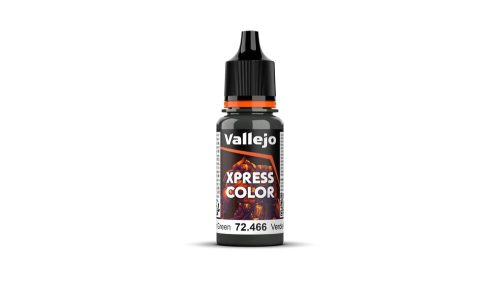 Game Color is a range of vivid colors especially developed for painting all kinds of fantasy figures and models. The colors can be applied and mixed with one another easily, and dry to a mat and self-levelling finish without leaving traces of brushstrokes. The pigments employed have been selected for their brilliance, maximum stability and light fastness. The formulation of these colors, using the most recently developed acrylic resins, guarantees perfect adherence and permanence on all kinds of surfaces – plastic, resin, metal, etc. Errors can be corrected immediately with water or alcohol; once dry, the colors are waterproof and permanent.
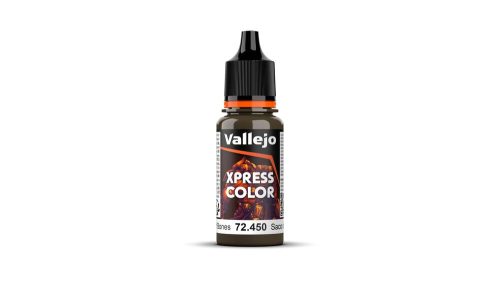 Game Color is a range of vivid colors especially developed for painting all kinds of fantasy figures and models. The colors can be applied and mixed with one another easily, and dry to a mat and self-levelling finish without leaving traces of brushstrokes. The pigments employed have been selected for their brilliance, maximum stability and light fastness. The formulation of these colors, using the most recently developed acrylic resins, guarantees perfect adherence and permanence on all kinds of surfaces – plastic, resin, metal, etc. Errors can be corrected immediately with water or alcohol; once dry, the colors are waterproof and permanent.
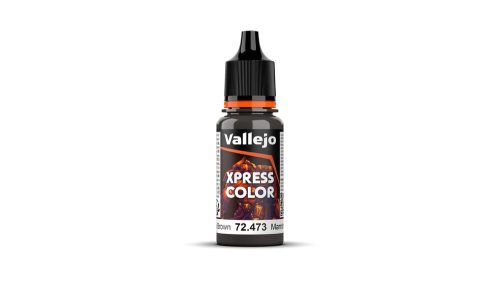 Game Color is a range of vivid colors especially developed for painting all kinds of fantasy figures and models. The colors can be applied and mixed with one another easily, and dry to a mat and self-levelling finish without leaving traces of brushstrokes. The pigments employed have been selected for their brilliance, maximum stability and light fastness. The formulation of these colors, using the most recently developed acrylic resins, guarantees perfect adherence and permanence on all kinds of surfaces – plastic, resin, metal, etc. Errors can be corrected immediately with water or alcohol; once dry, the colors are waterproof and permanent.
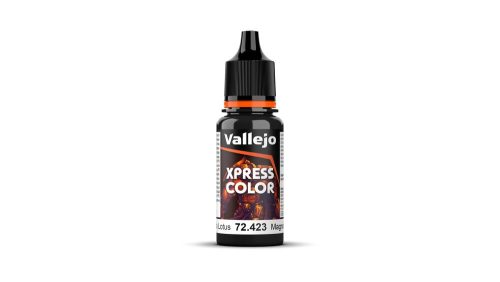 Game Color is a range of vivid colors especially developed for painting all kinds of fantasy figures and models. The colors can be applied and mixed with one another easily, and dry to a mat and self-levelling finish without leaving traces of brushstrokes. The pigments employed have been selected for their brilliance, maximum stability and light fastness. The formulation of these colors, using the most recently developed acrylic resins, guarantees perfect adherence and permanence on all kinds of surfaces – plastic, resin, metal, etc. Errors can be corrected immediately with water or alcohol; once dry, the colors are waterproof and permanent.
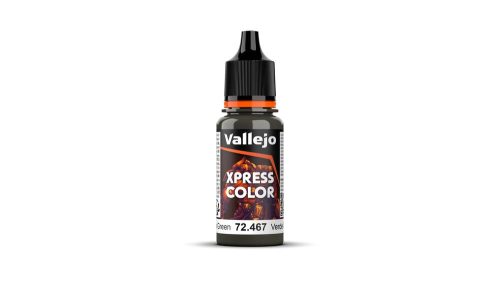 Game Color is a range of vivid colors especially developed for painting all kinds of fantasy figures and models. The colors can be applied and mixed with one another easily, and dry to a mat and self-levelling finish without leaving traces of brushstrokes. The pigments employed have been selected for their brilliance, maximum stability and light fastness. The formulation of these colors, using the most recently developed acrylic resins, guarantees perfect adherence and permanence on all kinds of surfaces – plastic, resin, metal, etc. Errors can be corrected immediately with water or alcohol; once dry, the colors are waterproof and permanent.
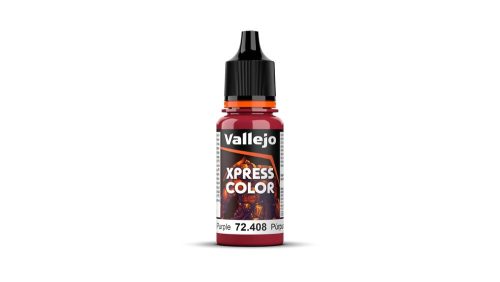 Game Color is a range of vivid colors especially developed for painting all kinds of fantasy figures and models. The colors can be applied and mixed with one another easily, and dry to a mat and self-levelling finish without leaving traces of brushstrokes. The pigments employed have been selected for their brilliance, maximum stability and light fastness. The formulation of these colors, using the most recently developed acrylic resins, guarantees perfect adherence and permanence on all kinds of surfaces – plastic, resin, metal, etc. Errors can be corrected immediately with water or alcohol; once dry, the colors are waterproof and permanent.
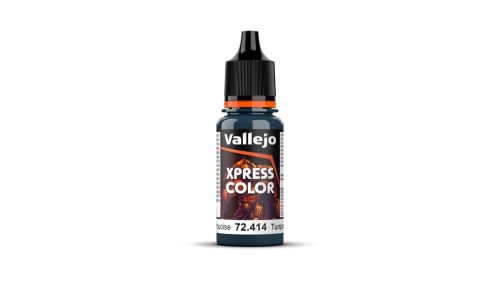 Game Color is a range of vivid colors especially developed for painting all kinds of fantasy figures and models. The colors can be applied and mixed with one another easily, and dry to a mat and self-levelling finish without leaving traces of brushstrokes. The pigments employed have been selected for their brilliance, maximum stability and light fastness. The formulation of these colors, using the most recently developed acrylic resins, guarantees perfect adherence and permanence on all kinds of surfaces – plastic, resin, metal, etc. Errors can be corrected immediately with water or alcohol; once dry, the colors are waterproof and permanent.
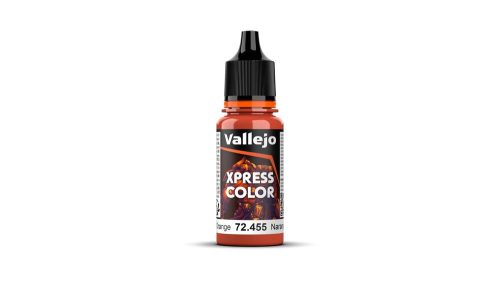 Game Color is a range of vivid colors especially developed for painting all kinds of fantasy figures and models. The colors can be applied and mixed with one another easily, and dry to a mat and self-levelling finish without leaving traces of brushstrokes. The pigments employed have been selected for their brilliance, maximum stability and light fastness. The formulation of these colors, using the most recently developed acrylic resins, guarantees perfect adherence and permanence on all kinds of surfaces – plastic, resin, metal, etc. Errors can be corrected immediately with water or alcohol; once dry, the colors are waterproof and permanent.
 Game Color is a range of vivid colors especially developed for painting all kinds of fantasy figures and models. The colors can be applied and mixed with one another easily, and dry to a mat and self-levelling finish without leaving traces of brushstrokes. The pigments employed have been selected for their brilliance, maximum stability and light fastness. The formulation of these colors, using the most recently developed acrylic resins, guarantees perfect adherence and permanence on all kinds of surfaces – plastic, resin, metal, etc. Errors can be corrected immediately with water or alcohol; once dry, the colors are waterproof and permanent.
 Game Color is a range of vivid colors especially developed for painting all kinds of fantasy figures and models. The colors can be applied and mixed with one another easily, and dry to a mat and self-levelling finish without leaving traces of brushstrokes. The pigments employed have been selected for their brilliance, maximum stability and light fastness. The formulation of these colors, using the most recently developed acrylic resins, guarantees perfect adherence and permanence on all kinds of surfaces – plastic, resin, metal, etc. Errors can be corrected immediately with water or alcohol; once dry, the colors are waterproof and permanent.
 Game Color is a range of vivid colors especially developed for painting all kinds of fantasy figures and models. The colors can be applied and mixed with one another easily, and dry to a mat and self-levelling finish without leaving traces of brushstrokes. The pigments employed have been selected for their brilliance, maximum stability and light fastness. The formulation of these colors, using the most recently developed acrylic resins, guarantees perfect adherence and permanence on all kinds of surfaces – plastic, resin, metal, etc. Errors can be corrected immediately with water or alcohol; once dry, the colors are waterproof and permanent.
 Game Color is a range of vivid colors especially developed for painting all kinds of fantasy figures and models. The colors can be applied and mixed with one another easily, and dry to a mat and self-levelling finish without leaving traces of brushstrokes. The pigments employed have been selected for their brilliance, maximum stability and light fastness. The formulation of these colors, using the most recently developed acrylic resins, guarantees perfect adherence and permanence on all kinds of surfaces – plastic, resin, metal, etc. Errors can be corrected immediately with water or alcohol; once dry, the colors are waterproof and permanent.
 Game Color is a range of vivid colors especially developed for painting all kinds of fantasy figures and models. The colors can be applied and mixed with one another easily, and dry to a mat and self-levelling finish without leaving traces of brushstrokes. The pigments employed have been selected for their brilliance, maximum stability and light fastness. The formulation of these colors, using the most recently developed acrylic resins, guarantees perfect adherence and permanence on all kinds of surfaces – plastic, resin, metal, etc. Errors can be corrected immediately with water or alcohol; once dry, the colors are waterproof and permanent.
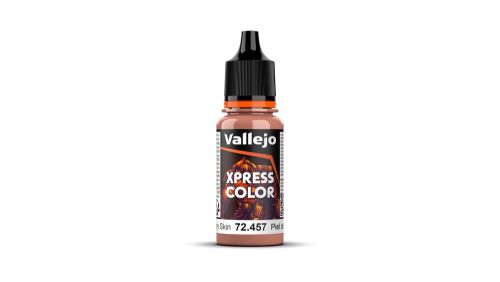 Game Color is a range of vivid colors especially developed for painting all kinds of fantasy figures and models. The colors can be applied and mixed with one another easily, and dry to a mat and self-levelling finish without leaving traces of brushstrokes. The pigments employed have been selected for their brilliance, maximum stability and light fastness. The formulation of these colors, using the most recently developed acrylic resins, guarantees perfect adherence and permanence on all kinds of surfaces – plastic, resin, metal, etc. Errors can be corrected immediately with water or alcohol; once dry, the colors are waterproof and permanent.
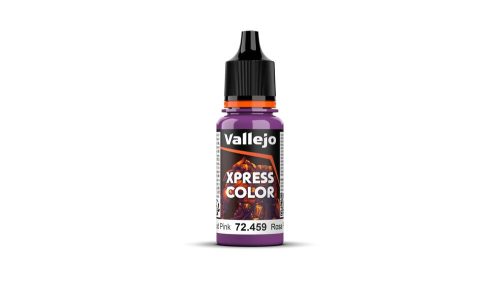 Game Color is a range of vivid colors especially developed for painting all kinds of fantasy figures and models. The colors can be applied and mixed with one another easily, and dry to a mat and self-levelling finish without leaving traces of brushstrokes. The pigments employed have been selected for their brilliance, maximum stability and light fastness. The formulation of these colors, using the most recently developed acrylic resins, guarantees perfect adherence and permanence on all kinds of surfaces – plastic, resin, metal, etc. Errors can be corrected immediately with water or alcohol; once dry, the colors are waterproof and permanent.
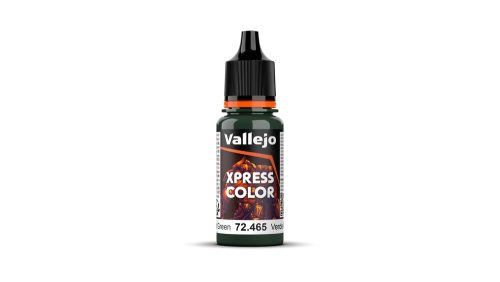 Game Color is a range of vivid colors especially developed for painting all kinds of fantasy figures and models. The colors can be applied and mixed with one another easily, and dry to a mat and self-levelling finish without leaving traces of brushstrokes. The pigments employed have been selected for their brilliance, maximum stability and light fastness. The formulation of these colors, using the most recently developed acrylic resins, guarantees perfect adherence and permanence on all kinds of surfaces – plastic, resin, metal, etc. Errors can be corrected immediately with water or alcohol; once dry, the colors are waterproof and permanent.
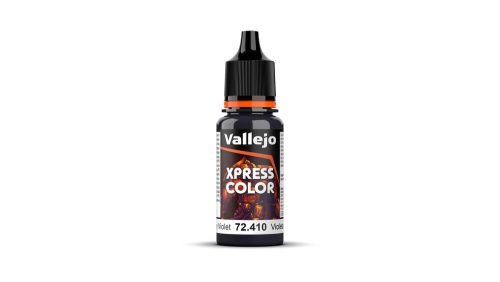 Game Color is a range of vivid colors especially developed for painting all kinds of fantasy figures and models. The colors can be applied and mixed with one another easily, and dry to a mat and self-levelling finish without leaving traces of brushstrokes. The pigments employed have been selected for their brilliance, maximum stability and light fastness. The formulation of these colors, using the most recently developed acrylic resins, guarantees perfect adherence and permanence on all kinds of surfaces – plastic, resin, metal, etc. Errors can be corrected immediately with water or alcohol; once dry, the colors are waterproof and permanent.
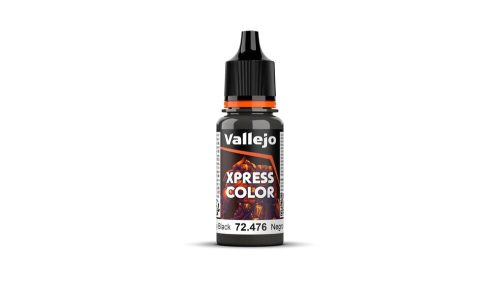 Game Color is a range of vivid colors especially developed for painting all kinds of fantasy figures and models. The colors can be applied and mixed with one another easily, and dry to a mat and self-levelling finish without leaving traces of brushstrokes. The pigments employed have been selected for their brilliance, maximum stability and light fastness. The formulation of these colors, using the most recently developed acrylic resins, guarantees perfect adherence and permanence on all kinds of surfaces – plastic, resin, metal, etc. Errors can be corrected immediately with water or alcohol; once dry, the colors are waterproof and permanent.
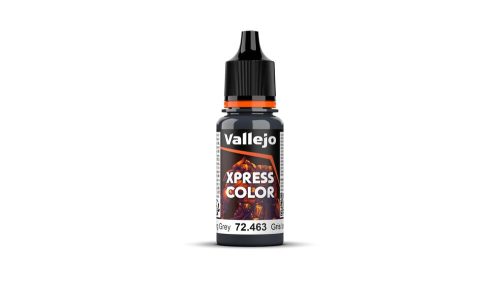 Game Color is a range of vivid colors especially developed for painting all kinds of fantasy figures and models. The colors can be applied and mixed with one another easily, and dry to a mat and self-levelling finish without leaving traces of brushstrokes. The pigments employed have been selected for their brilliance, maximum stability and light fastness. The formulation of these colors, using the most recently developed acrylic resins, guarantees perfect adherence and permanence on all kinds of surfaces – plastic, resin, metal, etc. Errors can be corrected immediately with water or alcohol; once dry, the colors are waterproof and permanent.
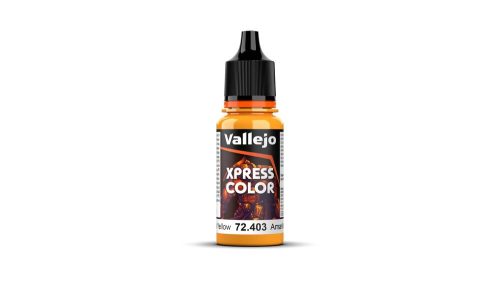 Game Color is a range of vivid colors especially developed for painting all kinds of fantasy figures and models. The colors can be applied and mixed with one another easily, and dry to a mat and self-levelling finish without leaving traces of brushstrokes. The pigments employed have been selected for their brilliance, maximum stability and light fastness. The formulation of these colors, using the most recently developed acrylic resins, guarantees perfect adherence and permanence on all kinds of surfaces – plastic, resin, metal, etc. Errors can be corrected immediately with water or alcohol; once dry, the colors are waterproof and permanent.
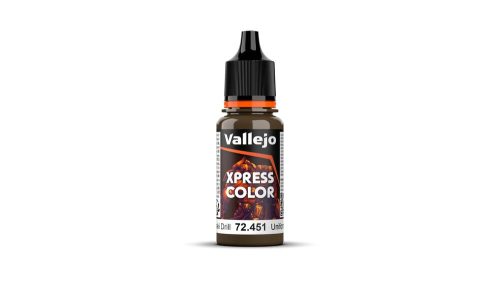 Game Color is a range of vivid colors especially developed for painting all kinds of fantasy figures and models. The colors can be applied and mixed with one another easily, and dry to a mat and self-levelling finish without leaving traces of brushstrokes. The pigments employed have been selected for their brilliance, maximum stability and light fastness. The formulation of these colors, using the most recently developed acrylic resins, guarantees perfect adherence and permanence on all kinds of surfaces – plastic, resin, metal, etc. Errors can be corrected immediately with water or alcohol; once dry, the colors are waterproof and permanent.
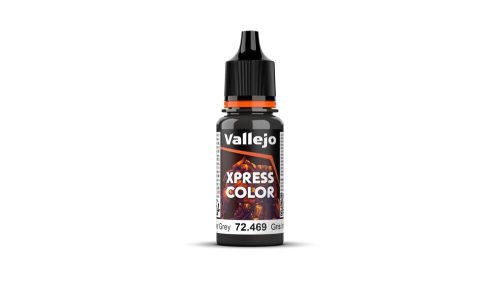 Game Color is a range of vivid colors especially developed for painting all kinds of fantasy figures and models. The colors can be applied and mixed with one another easily, and dry to a mat and self-levelling finish without leaving traces of brushstrokes. The pigments employed have been selected for their brilliance, maximum stability and light fastness. The formulation of these colors, using the most recently developed acrylic resins, guarantees perfect adherence and permanence on all kinds of surfaces – plastic, resin, metal, etc. Errors can be corrected immediately with water or alcohol; once dry, the colors are waterproof and permanent.
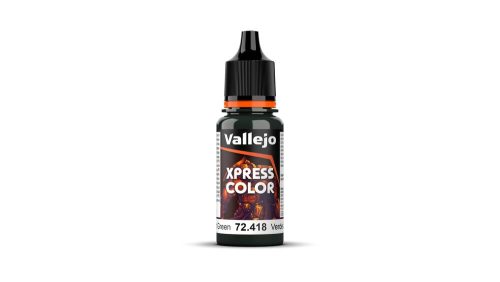 Game Color is a range of vivid colors especially developed for painting all kinds of fantasy figures and models. The colors can be applied and mixed with one another easily, and dry to a mat and self-levelling finish without leaving traces of brushstrokes. The pigments employed have been selected for their brilliance, maximum stability and light fastness. The formulation of these colors, using the most recently developed acrylic resins, guarantees perfect adherence and permanence on all kinds of surfaces – plastic, resin, metal, etc. Errors can be corrected immediately with water or alcohol; once dry, the colors are waterproof and permanent.
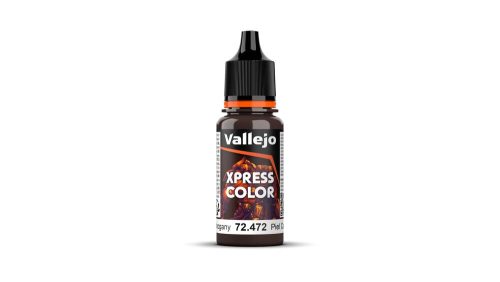 Game Color is a range of vivid colors especially developed for painting all kinds of fantasy figures and models. The colors can be applied and mixed with one another easily, and dry to a mat and self-levelling finish without leaving traces of brushstrokes. The pigments employed have been selected for their brilliance, maximum stability and light fastness. The formulation of these colors, using the most recently developed acrylic resins, guarantees perfect adherence and permanence on all kinds of surfaces – plastic, resin, metal, etc. Errors can be corrected immediately with water or alcohol; once dry, the colors are waterproof and permanent.
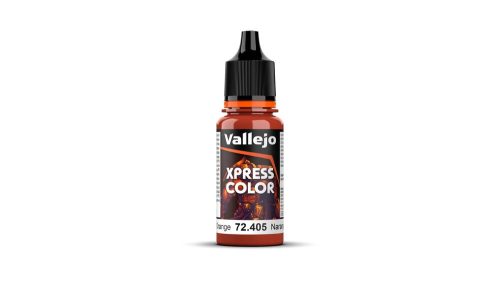 Game Color is a range of vivid colors especially developed for painting all kinds of fantasy figures and models. The colors can be applied and mixed with one another easily, and dry to a mat and self-levelling finish without leaving traces of brushstrokes. The pigments employed have been selected for their brilliance, maximum stability and light fastness. The formulation of these colors, using the most recently developed acrylic resins, guarantees perfect adherence and permanence on all kinds of surfaces – plastic, resin, metal, etc. Errors can be corrected immediately with water or alcohol; once dry, the colors are waterproof and permanent.
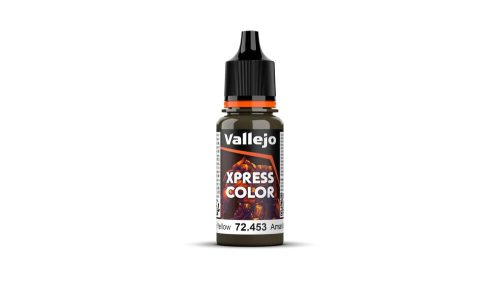 Game Color is a range of vivid colors especially developed for painting all kinds of fantasy figures and models. The colors can be applied and mixed with one another easily, and dry to a mat and self-levelling finish without leaving traces of brushstrokes. The pigments employed have been selected for their brilliance, maximum stability and light fastness. The formulation of these colors, using the most recently developed acrylic resins, guarantees perfect adherence and permanence on all kinds of surfaces – plastic, resin, metal, etc. Errors can be corrected immediately with water or alcohol; once dry, the colors are waterproof and permanent.
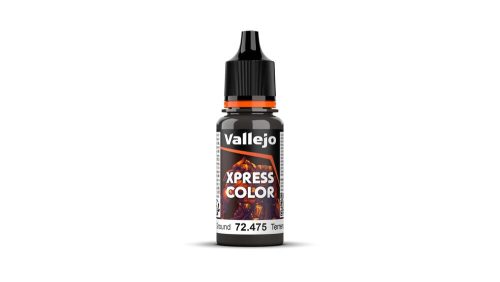 Game Color is a range of vivid colors especially developed for painting all kinds of fantasy figures and models. The colors can be applied and mixed with one another easily, and dry to a mat and self-levelling finish without leaving traces of brushstrokes. The pigments employed have been selected for their brilliance, maximum stability and light fastness. The formulation of these colors, using the most recently developed acrylic resins, guarantees perfect adherence and permanence on all kinds of surfaces – plastic, resin, metal, etc. Errors can be corrected immediately with water or alcohol; once dry, the colors are waterproof and permanent.
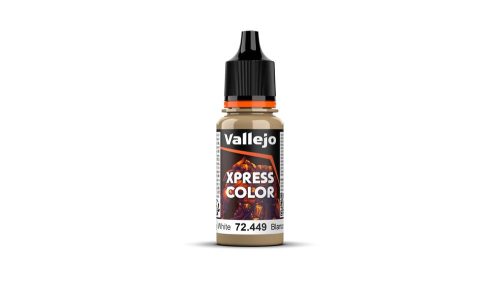 Game Color is a range of vivid colors especially developed for painting all kinds of fantasy figures and models. The colors can be applied and mixed with one another easily, and dry to a mat and self-levelling finish without leaving traces of brushstrokes. The pigments employed have been selected for their brilliance, maximum stability and light fastness. The formulation of these colors, using the most recently developed acrylic resins, guarantees perfect adherence and permanence on all kinds of surfaces – plastic, resin, metal, etc. Errors can be corrected immediately with water or alcohol; once dry, the colors are waterproof and permanent.
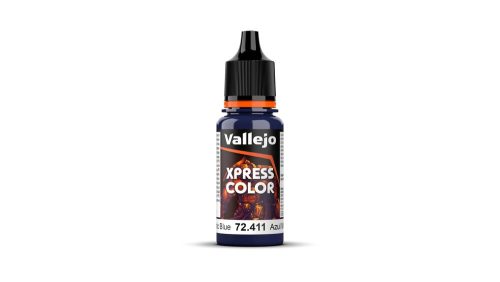 Game Color is a range of vivid colors especially developed for painting all kinds of fantasy figures and models. The colors can be applied and mixed with one another easily, and dry to a mat and self-levelling finish without leaving traces of brushstrokes. The pigments employed have been selected for their brilliance, maximum stability and light fastness. The formulation of these colors, using the most recently developed acrylic resins, guarantees perfect adherence and permanence on all kinds of surfaces – plastic, resin, metal, etc. Errors can be corrected immediately with water or alcohol; once dry, the colors are waterproof and permanent.
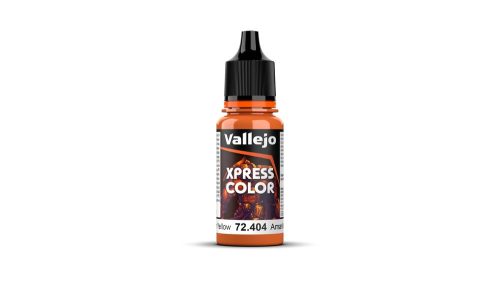 Game Color is a range of vivid colors especially developed for painting all kinds of fantasy figures and models. The colors can be applied and mixed with one another easily, and dry to a mat and self-levelling finish without leaving traces of brushstrokes. The pigments employed have been selected for their brilliance, maximum stability and light fastness. The formulation of these colors, using the most recently developed acrylic resins, guarantees perfect adherence and permanence on all kinds of surfaces – plastic, resin, metal, etc. Errors can be corrected immediately with water or alcohol; once dry, the colors are waterproof and permanent.
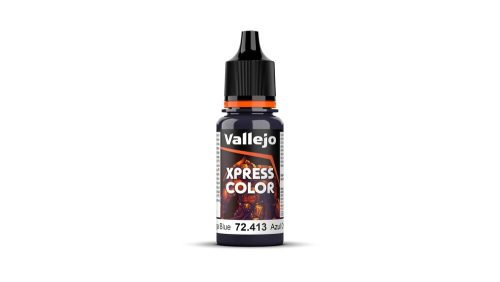 Game Color is a range of vivid colors especially developed for painting all kinds of fantasy figures and models. The colors can be applied and mixed with one another easily, and dry to a mat and self-levelling finish without leaving traces of brushstrokes. The pigments employed have been selected for their brilliance, maximum stability and light fastness. The formulation of these colors, using the most recently developed acrylic resins, guarantees perfect adherence and permanence on all kinds of surfaces – plastic, resin, metal, etc. Errors can be corrected immediately with water or alcohol; once dry, the colors are waterproof and permanent.
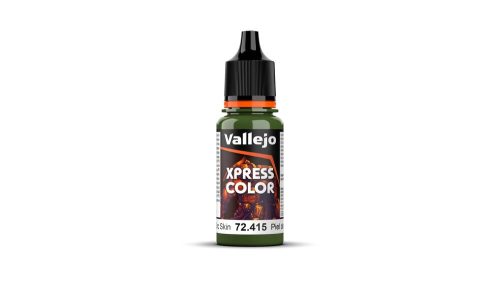 Game Color is a range of vivid colors especially developed for painting all kinds of fantasy figures and models. The colors can be applied and mixed with one another easily, and dry to a mat and self-levelling finish without leaving traces of brushstrokes. The pigments employed have been selected for their brilliance, maximum stability and light fastness. The formulation of these colors, using the most recently developed acrylic resins, guarantees perfect adherence and permanence on all kinds of surfaces – plastic, resin, metal, etc. Errors can be corrected immediately with water or alcohol; once dry, the colors are waterproof and permanent.