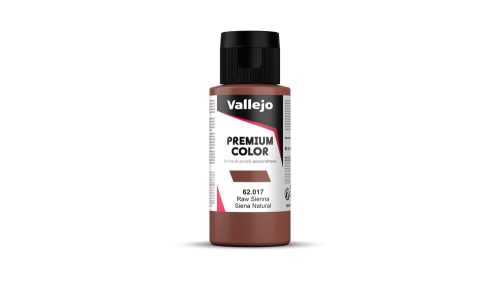
 Premium colors have been formulated with micronized, permanent pigments and an extremely resistant, exterior grade hybrid resin-polyurethane base, which withstands impacts, resists chipping and cracking, as well as direct exposure to heat and outdoor elements without cracking or fading, and is fuel residue proof up to a least 35% Nitro.
Premium is a range of acrylic colors specifically designed for airbrushing and for optimum adherence on surfaces such as fiberglass, polyethylene, polycarbonate, metal and Lexan.
Premium has been formulated with permanent pigments and a new, extremely resistant hybrid resin of acrylic-polyurethane.
The Premium range contains matt and opaque, transparent, metallic, and fluorescent colors, and includes the specific varnishes and auxiliary products of the product line.
Premium is especially recommended for painting motorcycle helmets, fuel tanks, surfboards and similar surfaces exposed to hard wear, and resists impacts and cracking as well as direct exposure to heat.
The Premium colors resist fuel residue proof (as used in RC) ofup to at least 35% Nitro. It is recommended to apply
Premium in successive layers on previously primed surfaces. A few hours after application, the Premium colors will form a homogenous film of extraordinary strength and resistance.
The recommended compressor settings are around 15-20 PSI, o 0.5 to 1 kg. For a final, especially resistant protection, a final (2K) urethane varnish is recommended (applied by aerosol or airbrush). Painting tools can be cleaned with water.
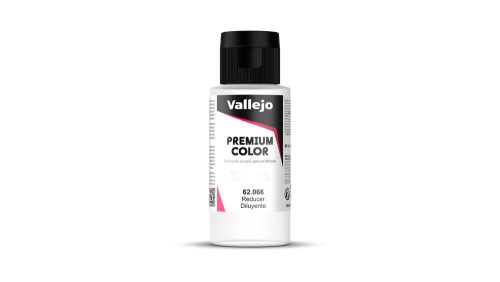 Premium colors have been formulated with micronized, permanent pigments and an extremely resistant, exterior grade hybrid resin-polyurethane base, which withstands impacts, resists chipping and cracking, as well as direct exposure to heat and outdoor elements without cracking or fading, and is fuel residue proof up to a least 35% Nitro.
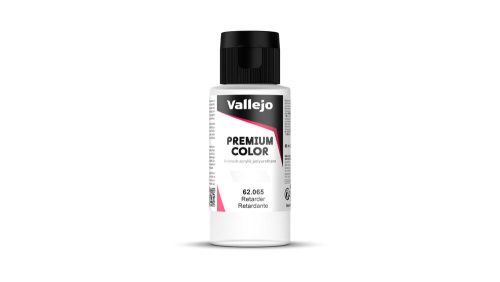 Premium colors have been formulated with micronized, permanent pigments and an extremely resistant, exterior grade hybrid resin-polyurethane base, which withstands impacts, resists chipping and cracking, as well as direct exposure to heat and outdoor elements without cracking or fading, and is fuel residue proof up to a least 35% Nitro.
Premium is a range of acrylic colors specifically designed for airbrushing and for optimum adherence on surfaces such as fiberglass, polyethylene, polycarbonate, metal and Lexan.
Premium has been formulated with permanent pigments and a new, extremely resistant hybrid resin of acrylic-polyurethane.
The Premium range contains matt and opaque, transparent, metallic, and fluorescent colors, and includes the specific varnishes and auxiliary products of the product line.
Premium is especially recommended for painting motorcycle helmets, fuel tanks, surfboards and similar surfaces exposed to hard wear, and resists impacts and cracking as well as direct exposure to heat.
The Premium colors resist fuel residue proof (as used in RC) ofup to at least 35% Nitro. It is recommended to apply
Premium in successive layers on previously primed surfaces. A few hours after application, the Premium colors will form a homogenous film of extraordinary strength and resistance.
The recommended compressor settings are around 15-20 PSI, o 0.5 to 1 kg. For a final, especially resistant protection, a final (2K) urethane varnish is recommended (applied by aerosol or airbrush). Painting tools can be cleaned with water.
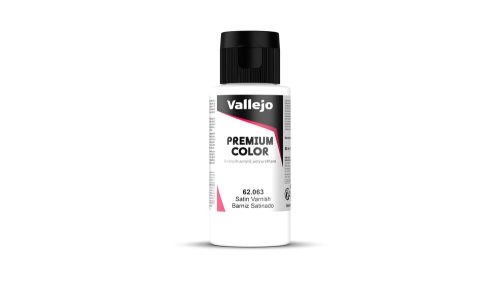 Premium colors have been formulated with micronized, permanent pigments and an extremely resistant, exterior grade hybrid resin-polyurethane base, which withstands impacts, resists chipping and cracking, as well as direct exposure to heat and outdoor elements without cracking or fading, and is fuel residue proof up to a least 35% Nitro.
Premium is a range of acrylic colors specifically designed for airbrushing and for optimum adherence on surfaces such as fiberglass, polyethylene, polycarbonate, metal and Lexan.
Premium has been formulated with permanent pigments and a new, extremely resistant hybrid resin of acrylic-polyurethane.
The Premium range contains matt and opaque, transparent, metallic, and fluorescent colors, and includes the specific varnishes and auxiliary products of the product line.
Premium is especially recommended for painting motorcycle helmets, fuel tanks, surfboards and similar surfaces exposed to hard wear, and resists impacts and cracking as well as direct exposure to heat.
The Premium colors resist fuel residue proof (as used in RC) ofup to at least 35% Nitro. It is recommended to apply
Premium in successive layers on previously primed surfaces. A few hours after application, the Premium colors will form a homogenous film of extraordinary strength and resistance.
The recommended compressor settings are around 15-20 PSI, o 0.5 to 1 kg. For a final, especially resistant protection, a final (2K) urethane varnish is recommended (applied by aerosol or airbrush). Painting tools can be cleaned with water.
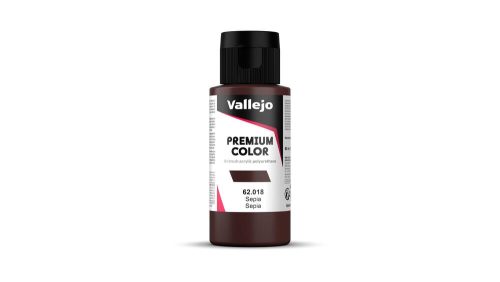 Premium colors have been formulated with micronized, permanent pigments and an extremely resistant, exterior grade hybrid resin-polyurethane base, which withstands impacts, resists chipping and cracking, as well as direct exposure to heat and outdoor elements without cracking or fading, and is fuel residue proof up to a least 35% Nitro.
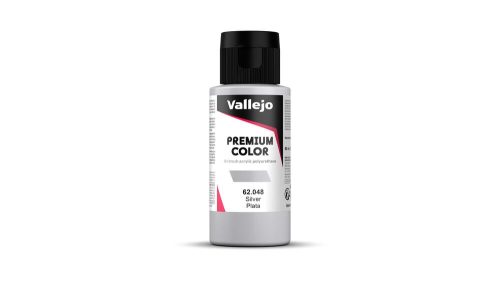 Premium colors have been formulated with micronized, permanent pigments and an extremely resistant, exterior grade hybrid resin-polyurethane base, which withstands impacts, resists chipping and cracking, as well as direct exposure to heat and outdoor elements without cracking or fading, and is fuel residue proof up to a least 35% Nitro.
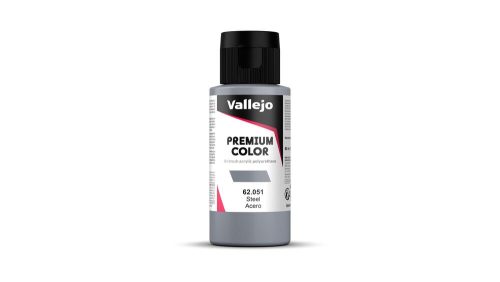 Premium colors have been formulated with micronized, permanent pigments and an extremely resistant, exterior grade hybrid resin-polyurethane base, which withstands impacts, resists chipping and cracking, as well as direct exposure to heat and outdoor elements without cracking or fading, and is fuel residue proof up to a least 35% Nitro.
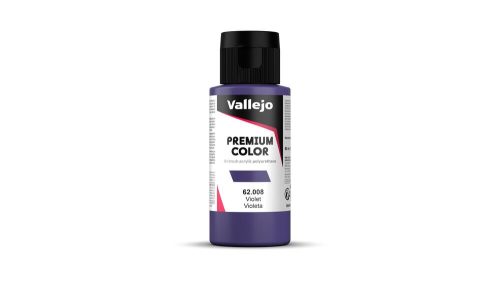 Premium colors have been formulated with micronized, permanent pigments and an extremely resistant, exterior grade hybrid resin-polyurethane base, which withstands impacts, resists chipping and cracking, as well as direct exposure to heat and outdoor elements without cracking or fading, and is fuel residue proof up to a least 35% Nitro.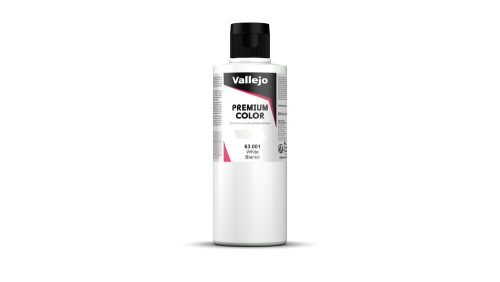
Premium is a range of acrylic colors specifically designed for airbrushing and for optimum adherence on surfaces such as fiberglass, polyethylene, polycarbonate, metal and Lexan.
Premium has been formulated with permanent pigments and a new, extremely resistant hybrid resin of acrylic-polyurethane.
The Premium range contains matt and opaque, transparent, metallic, and fluorescent colors, and includes the specific varnishes and auxiliary products of the product line.
Premium is especially recommended for painting motorcycle helmets, fuel tanks, surfboards and similar surfaces exposed to hard wear, and resists impacts and cracking as well as direct exposure to heat.
The Premium colors resist fuel residue proof (as used in RC) ofup to at least 35% Nitro. It is recommended to apply
Premium in successive layers on previously primed surfaces. A few hours after application, the Premium colors will form a homogenous film of extraordinary strength and resistance.
The recommended compressor settings are around 15-20 PSI, o 0.5 to 1 kg. For a final, especially resistant protection, a final (2K) urethane varnish is recommended (applied by aerosol or airbrush). Painting tools can be cleaned with water.
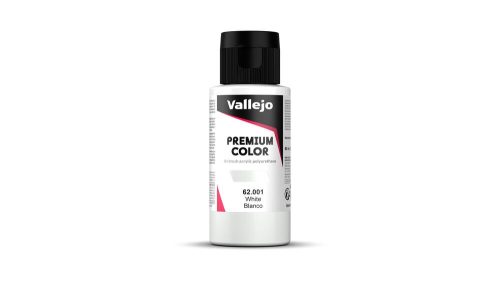 Premium colors have been formulated with micronized, permanent pigments and an extremely resistant, exterior grade hybrid resin-polyurethane base, which withstands impacts, resists chipping and cracking, as well as direct exposure to heat and outdoor elements without cracking or fading, and is fuel residue proof up to a least 35% Nitro.
Premium is a range of acrylic colors specifically designed for airbrushing and for optimum adherence on surfaces such as fiberglass, polyethylene, polycarbonate, metal and Lexan. Premium has been formulated with permanent pigments and a new, extremely resistant hybrid resin of acrylic-polyurethane. The Premium range contains matt and opaque, transparent, metallic, and fluorescent colors, and includes the specific varnishes and auxiliary products of the product line. Premium is especially recommended for painting motorcycle helmets, fuel tanks, surfboards and similar surfaces exposed to hard wear, and resists impacts and cracking as well as direct exposure to heat. The Premium colors resist fuel residue proof (as used in RC) ofup to at least 35% Nitro. It is recommended to apply Premium in successive layers on previously primed surfaces. A few hours after application, the Premium colors will form a homogenous film of extraordinary strength and resistance. The recommended compressor settings are around 15-20 PSI, o 0.5 to 1 kg. For a final, especially resistant protection, a final (2K) urethane varnish is recommended (applied by aerosol or airbrush). Painting tools can be cleaned with water.
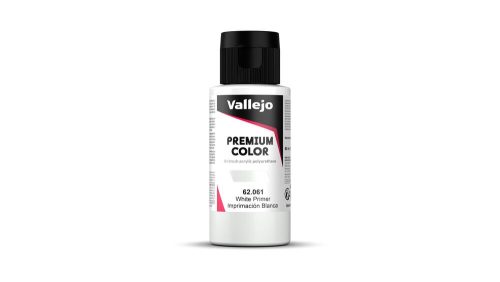
Premium is a range of acrylic colors specifically designed for airbrushing and for optimum adherence on surfaces such as fiberglass, polyethylene, polycarbonate, metal and Lexan.
Premium has been formulated with permanent pigments and a new, extremely resistant hybrid resin of acrylic-polyurethane.
The Premium range contains matt and opaque, transparent, metallic, and fluorescent colors, and includes the specific varnishes and auxiliary products of the product line. Premium is especially recommended for painting motorcycle helmets, fuel tanks, surfboards and similar surfaces exposed to hard wear, and resists impacts and cracking as well as direct exposure to heat
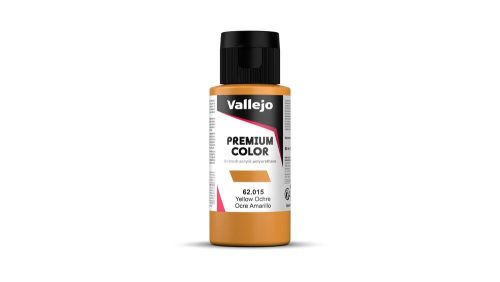 Premium colors have been formulated with micronized, permanent pigments and an extremely resistant, exterior grade hybrid resin-polyurethane base, which withstands impacts, resists chipping and cracking, as well as direct exposure to heat and outdoor elements without cracking or fading, and is fuel residue proof up to a least 35% Nitro.
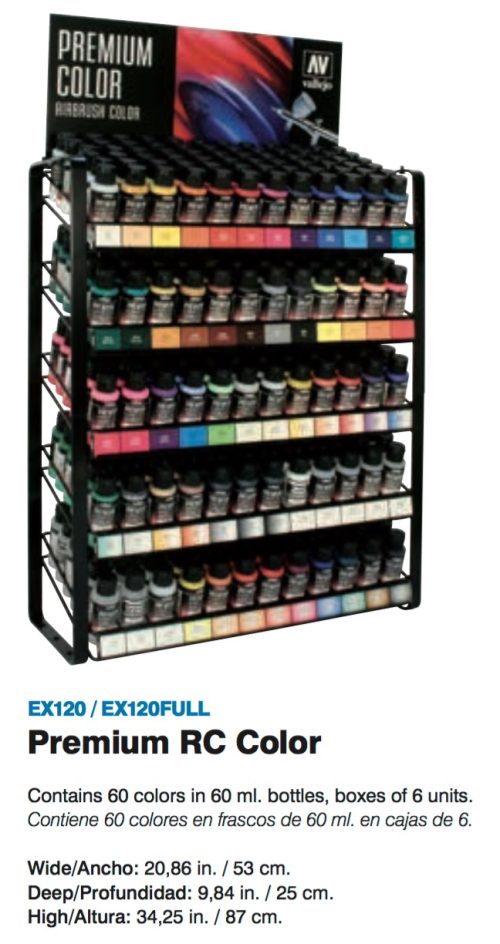 AV PREMIUM is a safe water-based, non toxic and highly versatile airbrush ready paint, suitable for all surfaces, but especially formulated for superior adhesion to metals, fibreglass, polyethylene, clear Lexanª polycarbonate, slot car and RC bodies, and all tuning and automotive applications.On some of these surfaces we recommend a basecoat of the Polyurethane Primer (62.061) for best results. Premium colors are flexible and exceptionally durable and permit prolonged exposure to weather without fading or losing their brilliance.
Premium colors have been formulated with micronized, permanent pigments and an extremely resistant, exterior grade hybrid resin-polyurethane base, which withstands impacts, resists chipping and cracking, as well as direct exposure to heat and outdoor elements without cracking or fading, and is fuel residue proof up to a least 35% Nitro.
AV Premium colors have superior flow, they are self-levelling and brush on with exceptional ease. For
airbrushing, the colors can be used directly from the bottle when using a nozzle size 0,3. For the metallic colors some dilution might be necessary, and for smaller nozzles (O.2mm or less) the use of the Reducer (62.066)
may be required. The recommended compressor setting is 30-60psi (2-4 bar).
The range consists of 20 bright opaque colors, 23 dazzling metallics and fluorescents, and 9 shimmering transparent Candy Colors. All colors are as suitable for detail work as for covering large surfaces and can be applied by brush as well as by airbrush.Contains 60 colors in 60 ml./2.02 fl.oz. bottles, boxes of 6 units.
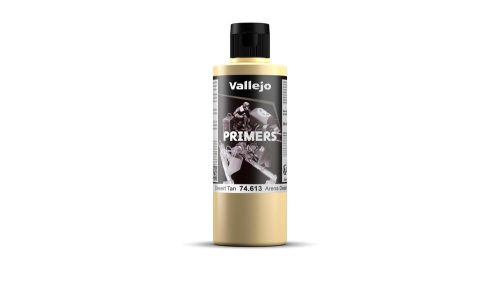 Surface Primer is available in a range of basic shades most frequently employed to prepare the surface of the model or miniature before starting the painting process. Primers can be applied on all surfaces, resin, PVC, brass, white metal or wood. The primer preserving even the smallest detail of a model, and improves the adherence of the colors applied on this base. It is recommended to apply the Primer in various layers; the product dries rapidly and forms a homogenous film of extraordinary strength and resistance within a few hours after application. Surface Primer can be used directly or diluted with Vallejo Airbrush Thinner of Flow Improver. The recommended compressor settings are around 15-20 PSI or 0.5 to 1 kg. For best maintenance of the airbrush, it is recommended to use the Vallejo Airbrush Cleaner.